
Modern British Playwriting Trends: Voices Shaping the Stage


The Evolution of Modern British Playwriting
Modern British playwriting is a dynamic and evolving landscape, reflecting the diverse voices and stories of contemporary society. Over the past few decades, the British stage has become a platform for innovation, with playwrights exploring new themes and pushing the boundaries of traditional storytelling. From intimate dramas to groundbreaking narratives, the stage is alive with creativity and change.
Emergence of Diverse Voices
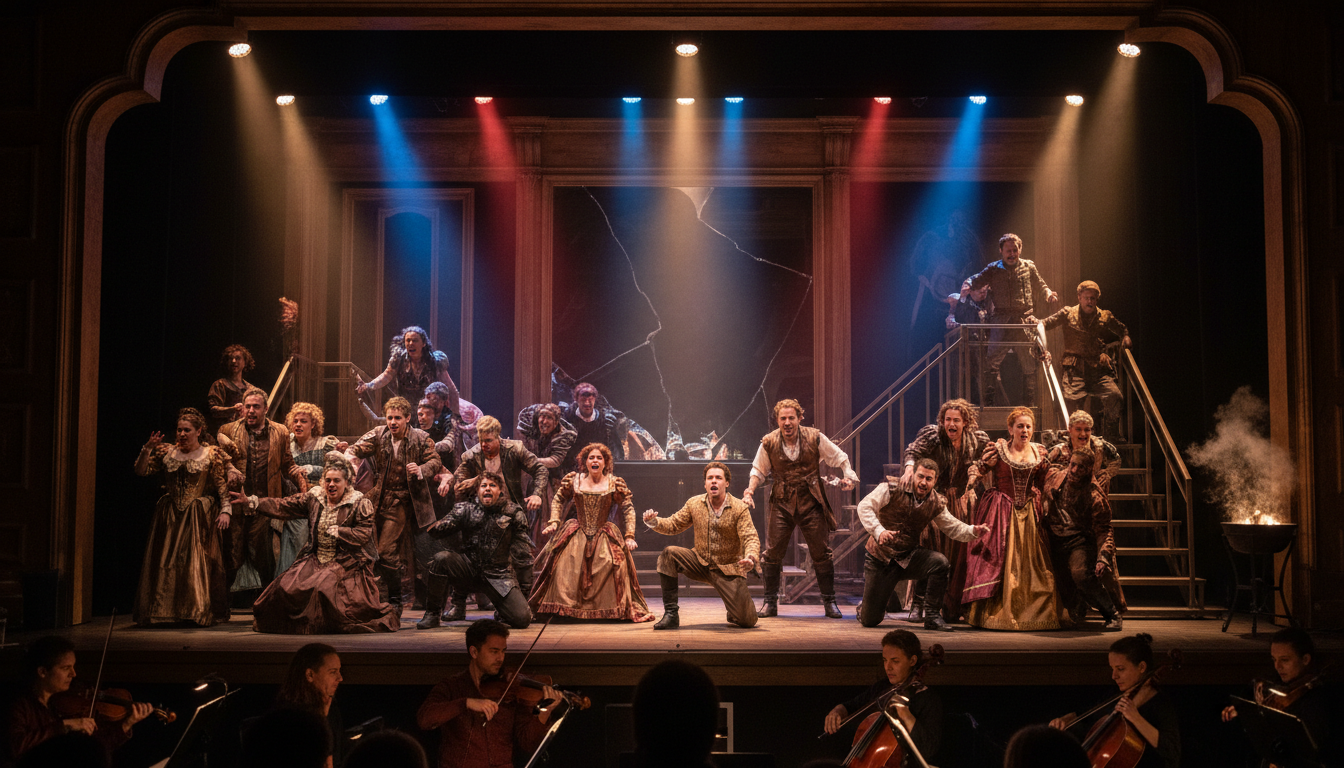
One of the most significant trends in modern British playwriting is the emergence of diverse voices. Playwrights from different backgrounds are bringing their unique perspectives to the stage, enriching the theatrical landscape with stories that resonate with a wide audience. This diversity is not just in terms of ethnicity but also in gender, sexuality, and socio-economic backgrounds.
These new voices are challenging traditional narratives and offering fresh insights into the human experience. The inclusion of diverse stories has not only broadened the appeal of British theatre but has also fostered a deeper understanding of contemporary issues.
Experimental Storytelling Techniques
Modern British playwrights are known for their willingness to experiment with storytelling techniques. From nonlinear narratives to immersive theatre, writers are exploring new ways to engage audiences. This experimentation often leads to innovative productions that push the boundaries of conventional theatre.
Techniques such as breaking the fourth wall, interactive audience participation, and multimedia elements are becoming more common, creating a richer and more engaging theatrical experience. These methods allow playwrights to explore complex themes in a way that resonates with modern audiences.
Focus on Social and Political Themes
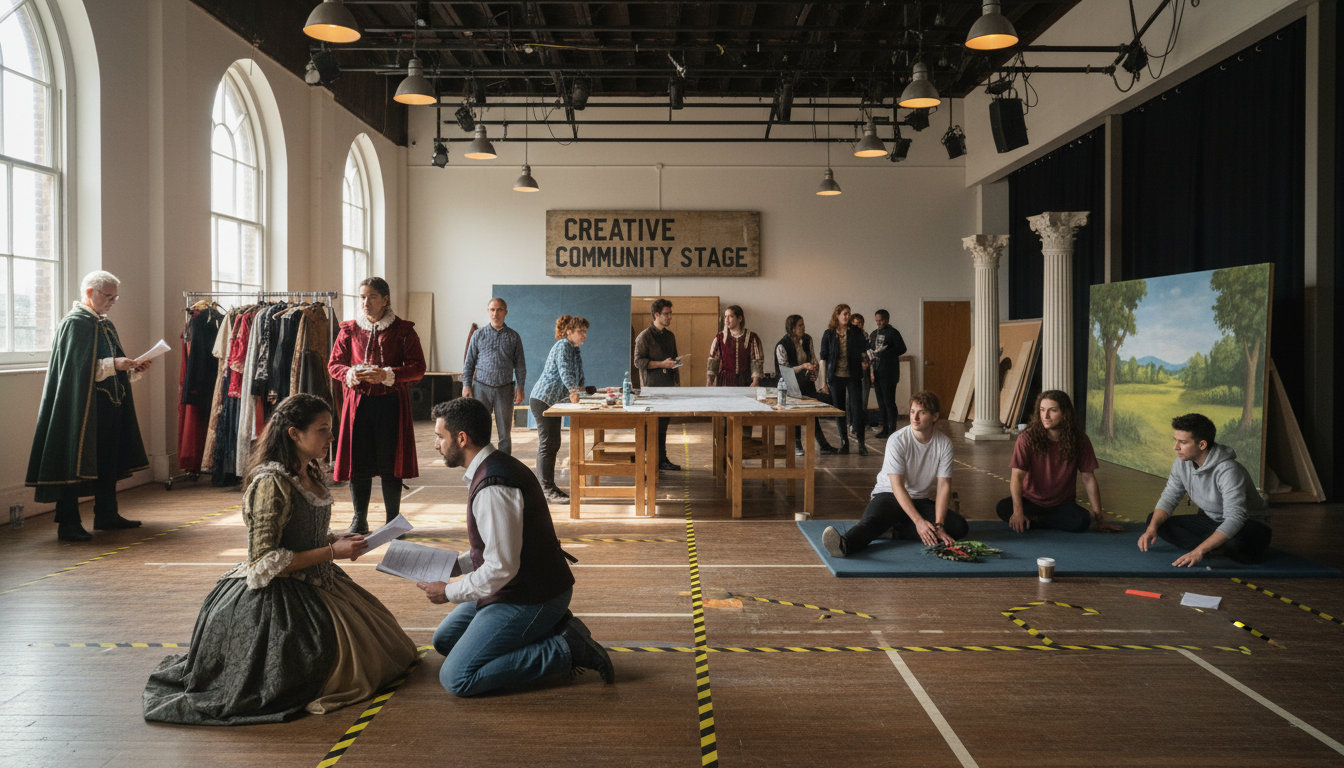
British playwrights have always been keen observers of society, and modern playwriting continues this tradition with a strong focus on social and political themes. Issues such as immigration, identity, and climate change are frequently explored on stage, reflecting the concerns of contemporary society.
This trend not only raises awareness but also encourages dialogue and reflection among audiences. By addressing these critical issues, playwrights are using theatre as a platform for change and advocacy.
The Role of Technology in Theatre
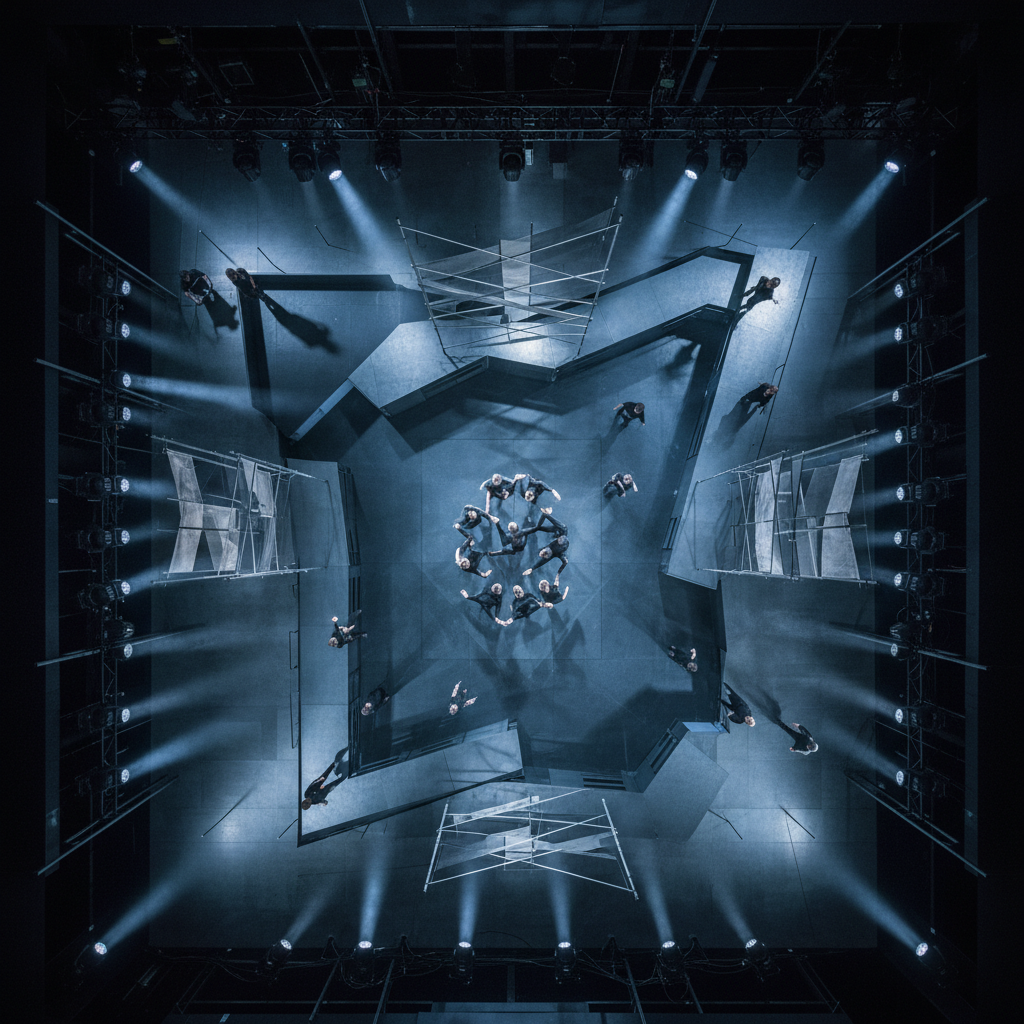
Technology has become an integral part of modern playwriting, offering new possibilities for storytelling and production. From digital set designs to virtual reality experiences, technology is enhancing the way stories are told and experienced on stage.
Playwrights are increasingly incorporating technology into their work, creating immersive experiences that captivate audiences. This integration of technology not only enhances the visual and auditory aspects of theatre but also allows for more complex narratives.
Conclusion: The Future of British Playwriting
The future of British playwriting looks promising, with a continued emphasis on diversity, innovation, and social relevance. As new voices emerge and technology continues to evolve, the British stage will remain a vibrant and essential part of the cultural landscape.
Audiences can look forward to a future where theatre continues to challenge, entertain, and inspire, reflecting the ever-changing world around us. The modern British stage is a testament to the power of storytelling and the enduring appeal of live performance.