
From Script to Stage: The Process of Producing a Modern British Play


Introduction to Modern British Theatre
The vibrant world of modern British theatre offers a dynamic landscape where creativity meets tradition. From the initial idea to the final performance, producing a play is a fascinating journey filled with collaboration, innovation, and hard work. This post explores the intricate process that takes a script from the page to the stage, bringing contemporary British stories to life.
Modern British theatre is renowned for its diversity and bold storytelling. It reflects societal changes, exploring complex themes with nuance and depth. As a result, each production is a unique experience, shaped by the vision of its creators and the expectations of its audience.
The Script: Foundation of the Production
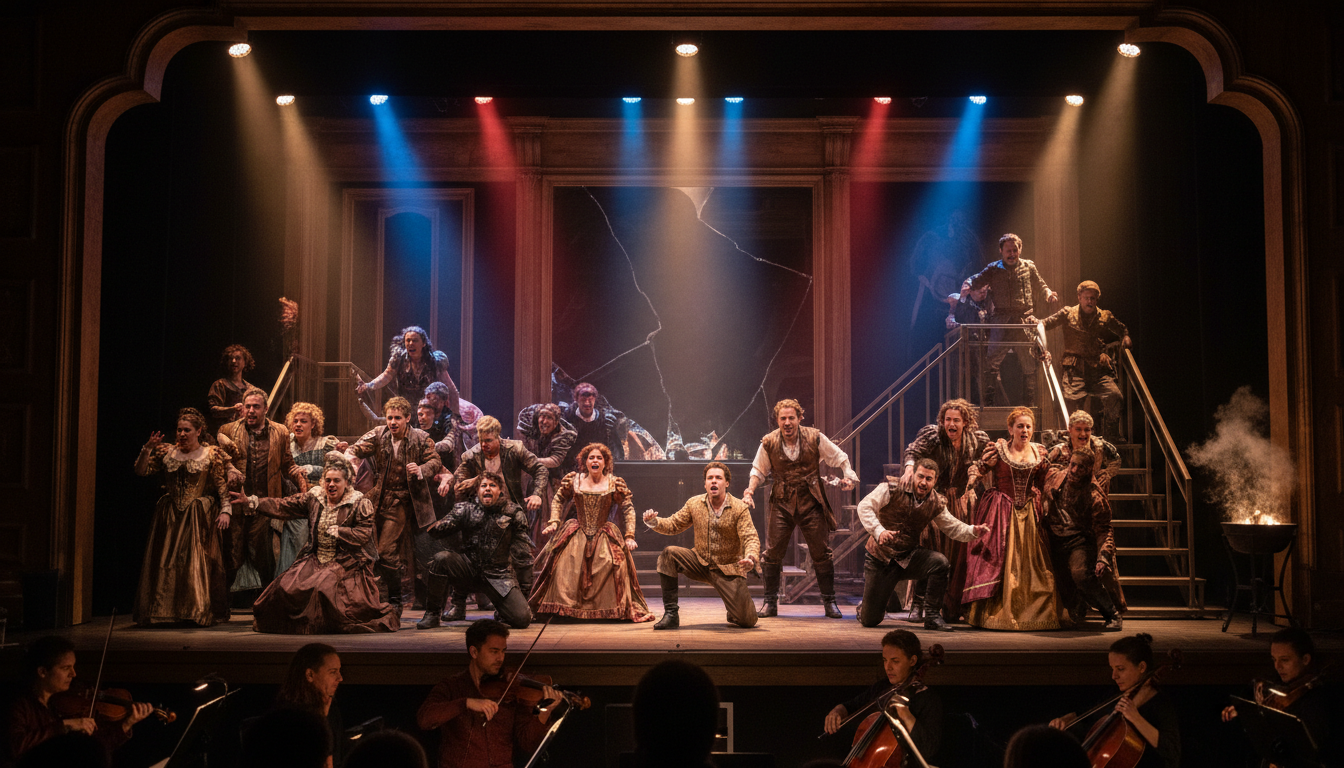
The journey begins with the script, the foundation of any theatrical production. A playwright crafts a narrative, developing characters, dialogue, and setting to create a compelling story. This initial phase is crucial as it sets the tone and direction for the entire production.
Once the script is complete, it often undergoes a series of revisions. Feedback from directors, actors, and producers helps refine the narrative, ensuring clarity and impact. This collaborative effort is essential for transforming a written story into a living, breathing performance.
Assembling the Creative Team
With a polished script in hand, the next step is assembling the creative team. This group includes the director, set designer, costume designer, lighting technician, and other key players who will bring the play to life. Each member contributes their unique expertise, ensuring every aspect of the production aligns with the artistic vision.
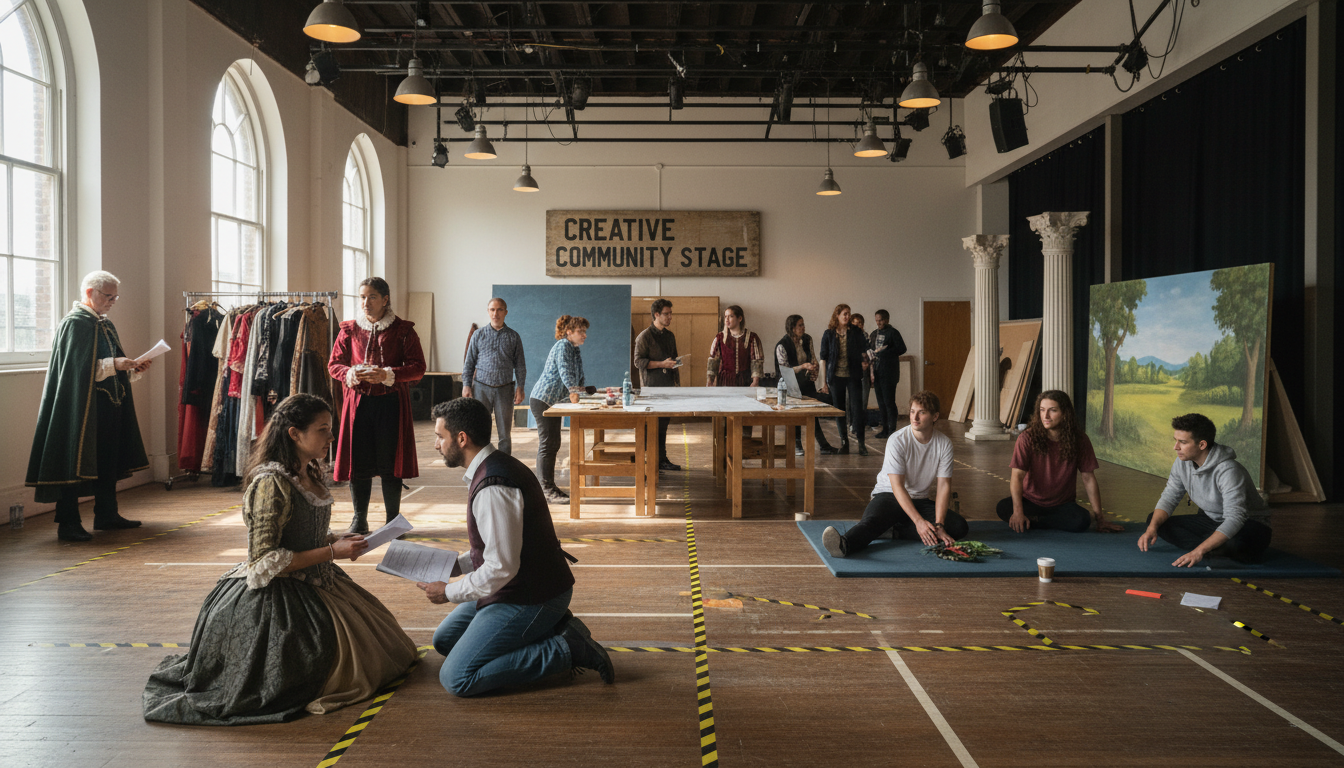
The director plays a pivotal role, interpreting the script and guiding the actors to express the story authentically. Collaboration between the director and designers is vital, as they work together to create a cohesive and immersive theatrical experience.
From Rehearsals to Opening Night
Rehearsals are where the magic truly begins. Actors delve into their characters, exploring motivations and relationships, while the director orchestrates the action. This process requires patience and creativity, as the team experiments with different approaches to find what resonates best.
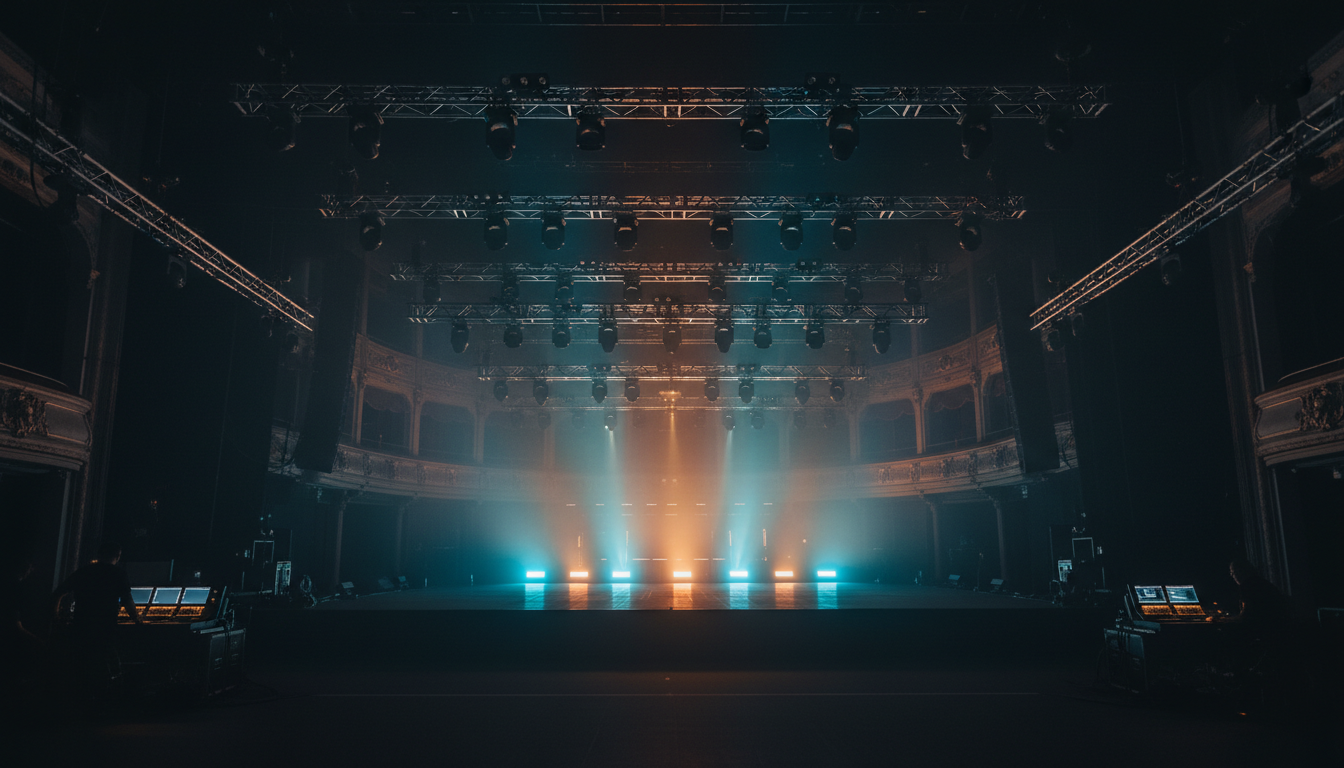
Technical rehearsals follow, integrating lighting, sound, and set changes. This phase is crucial for ensuring that all technical elements work seamlessly together, enhancing the storytelling without overshadowing it. The goal is to create a seamless blend of performance and production.
Engaging the Audience
Once the curtain rises on opening night, the play's success hinges on its ability to engage the audience. Modern British theatre often challenges viewers, encouraging them to think critically and empathize with the characters. Audience interaction and feedback are invaluable, providing insights that can refine future performances.
Engagement doesn't end with the final bow. Post-show discussions, social media interactions, and reviews are part of the ongoing conversation that keeps theatre vibrant and relevant. This dialogue between creators and audience members ensures that theatre continues to evolve and inspire.
Conclusion: The Ever-Evolving Art
The journey from script to stage in modern British theatre is a testament to the power of collaboration and creativity. It is an ever-evolving art form, reflecting contemporary issues while honoring timeless storytelling traditions. Each production is a new adventure, filled with challenges and triumphs that ultimately enrich the cultural landscape.
As theatre continues to adapt and innovate, its ability to captivate and challenge audiences remains as strong as ever. From intimate dramas to grand spectacles, modern British plays offer something for everyone, inviting us to explore the complexities of the human experience.