
Exploring Modern British Playwriting Trends: A Guide for Aspiring Writers


Introduction to Modern British Playwriting
In recent years, modern British playwriting has undergone a dynamic transformation, reflecting societal changes and embracing new storytelling techniques. Aspiring writers looking to make their mark on the stage can learn much from these evolving trends. This guide will explore the key elements shaping contemporary British theatre and offer insights into how budding playwrights can navigate this exciting landscape.
British theatre has always been a reflection of its society, and today, it is more diverse and inclusive than ever. Writers are breaking away from traditional narratives, allowing for a richer tapestry of stories and perspectives. This shift encourages playwrights to explore bold themes and push the boundaries of conventional storytelling.
Embracing Diverse Voices
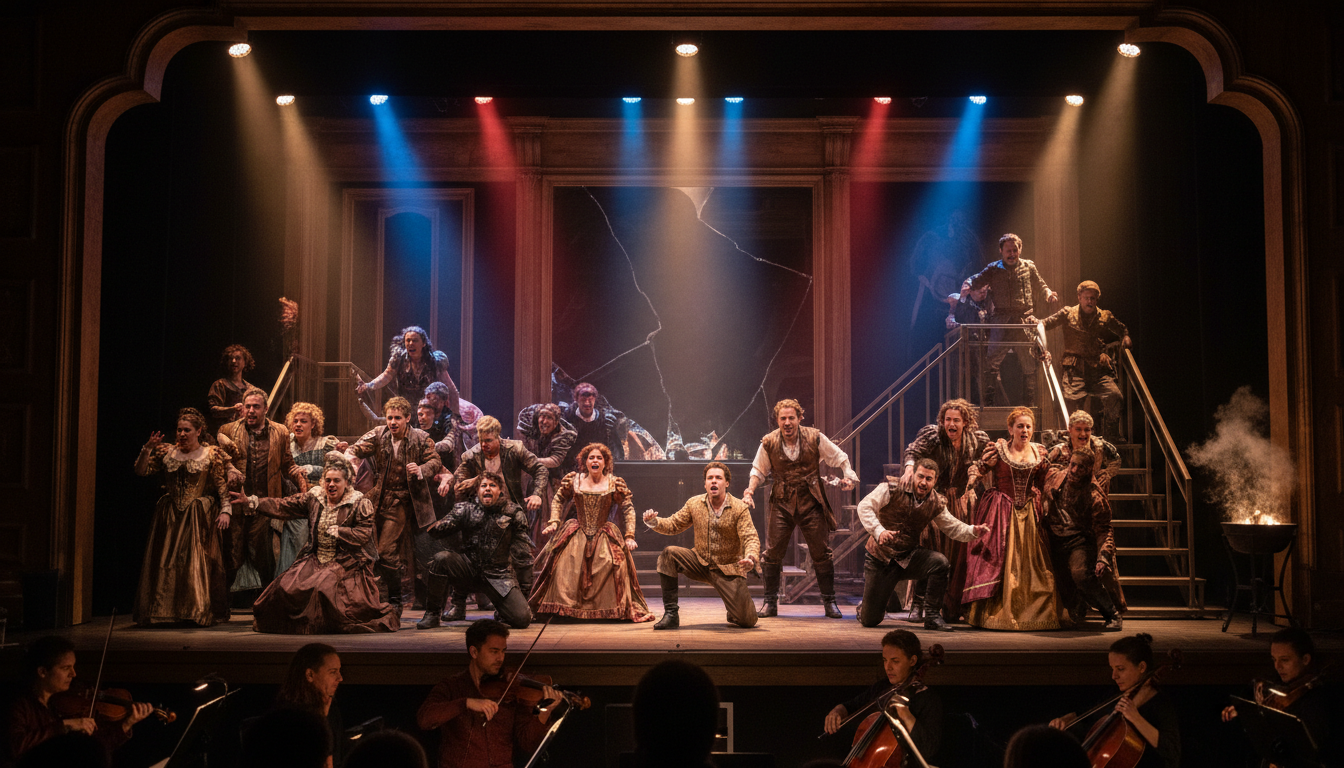
One of the most significant trends in modern British playwriting is the emphasis on diversity and representation. Playwrights are increasingly focusing on stories that highlight different cultures, identities, and experiences. This inclusivity not only enriches the narrative landscape but also attracts a broader audience to the theatre.
Aspiring writers should consider how they can incorporate diverse voices into their work. By doing so, they can create compelling and relatable stories that resonate with audiences from all walks of life. It's essential to approach these narratives with authenticity and sensitivity to ensure genuine representation.
Experimentation with Form and Structure
Another prominent trend is the experimentation with form and structure. Modern playwrights are moving away from the traditional three-act structure, opting instead for innovative formats that challenge audience expectations. This creative freedom allows for more dynamic storytelling and can result in a more engaging theatrical experience.
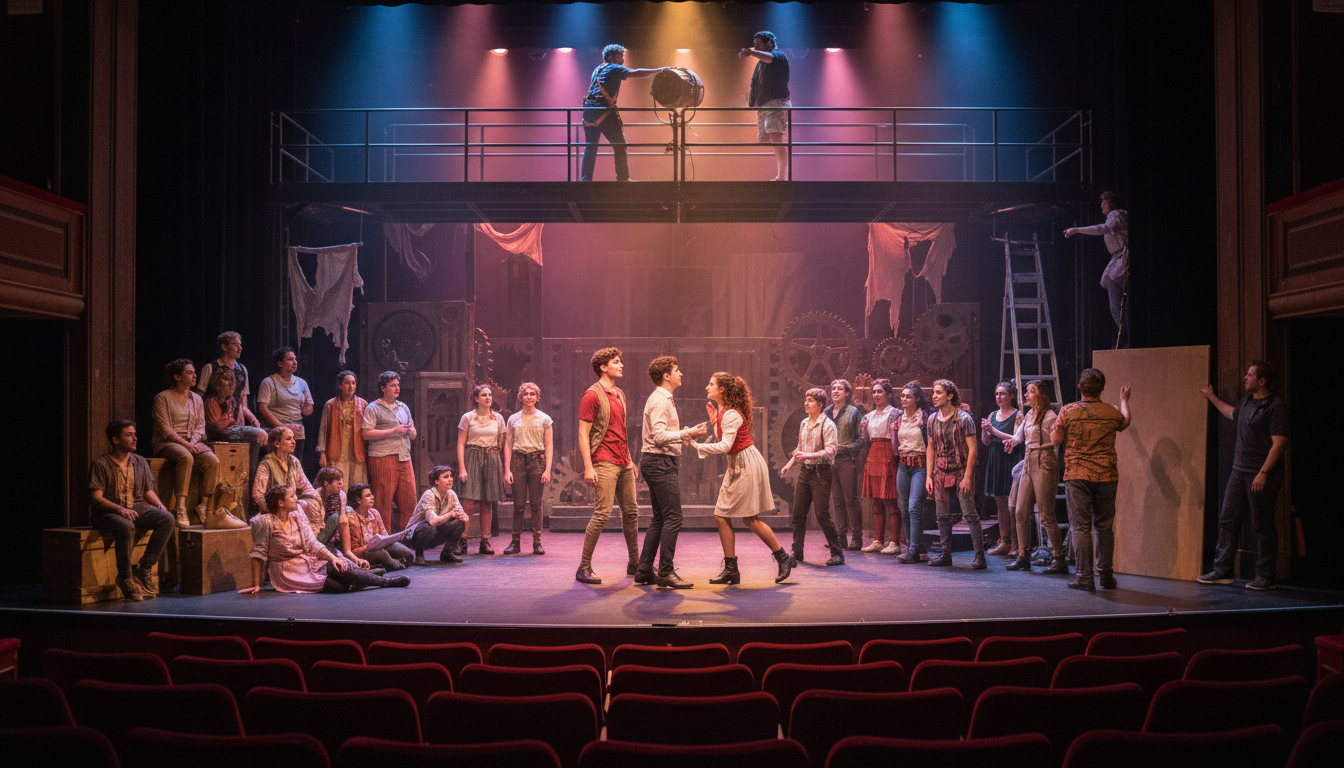
For aspiring writers, experimenting with different structures can be an exciting way to develop their unique voice. Whether it's playing with non-linear timelines, integrating multimedia elements, or incorporating interactive components, the possibilities are endless. The key is to use these techniques to enhance the story rather than detract from it.
The Rise of Political and Social Commentary
British playwriting has long been a platform for political and social commentary, and this trend continues to thrive today. Many playwrights are using their work to address pressing issues such as climate change, social justice, and political upheaval. These plays often provoke thought and spark conversations, encouraging audiences to reflect on the world around them.
For writers passionate about social change, the stage offers a powerful medium to convey their message. Crafting plays that tackle significant topics requires thorough research and a deep understanding of the issues at hand. By doing so, writers can create impactful narratives that resonate with audiences long after the curtain falls.
Technology and Innovation in Theatre
The integration of technology in theatre is another trend shaping modern British playwriting. From virtual reality experiences to interactive stages, technology is transforming how stories are told and experienced. This innovation opens up new avenues for creativity and allows writers to explore uncharted territories in their storytelling.
Aspiring playwrights should consider how they can incorporate technology into their work to enhance the audience experience. Whether it's through immersive set designs, digital projections, or interactive elements, technology can add a new dimension to a play and captivate audiences in novel ways.
Conclusion: Crafting Your Unique Voice
Exploring modern British playwriting trends offers aspiring writers a wealth of inspiration and insights. By embracing diverse voices, experimenting with form, addressing social issues, and integrating technology, playwrights can craft unique and compelling stories that resonate with contemporary audiences.
In this ever-evolving landscape, the most important thing for any writer is to stay true to their voice and vision. By doing so, they can contribute to the vibrant tapestry of modern British theatre and leave a lasting impact on the stage.