A Guide to Engaging Youth in Theatre Workshops


Understanding the Importance of Theatre for Youth
Engaging young people in theatre workshops can be incredibly rewarding. Theatre offers a unique platform for self-expression, creativity, and personal growth. By participating in theatre, youth learn valuable skills such as communication, teamwork, and problem-solving. These workshops provide a safe space for young individuals to explore their emotions and develop empathy by stepping into different characters and narratives.

Creating an Inclusive Environment
To effectively engage youth in theatre workshops, it's crucial to create an inclusive environment. This means ensuring that everyone feels welcome, regardless of their background or experience level. Facilitators should foster a culture of respect and openness, where participants feel comfortable expressing themselves. This can be achieved through activities that encourage collaboration and mutual support.
Consider implementing ice-breaking activities at the beginning of each session to help participants get to know each other. These activities can ease nervousness and build a sense of community among the group, laying the foundation for a collaborative workshop experience.
Designing Engaging Activities
The key to keeping youth engaged in theatre workshops lies in the activities you design. Aim to create dynamic and interactive sessions that capture their interest and imagination. Use a mix of improvisation exercises, script readings, and role-play to keep the energy high and encourage participation.
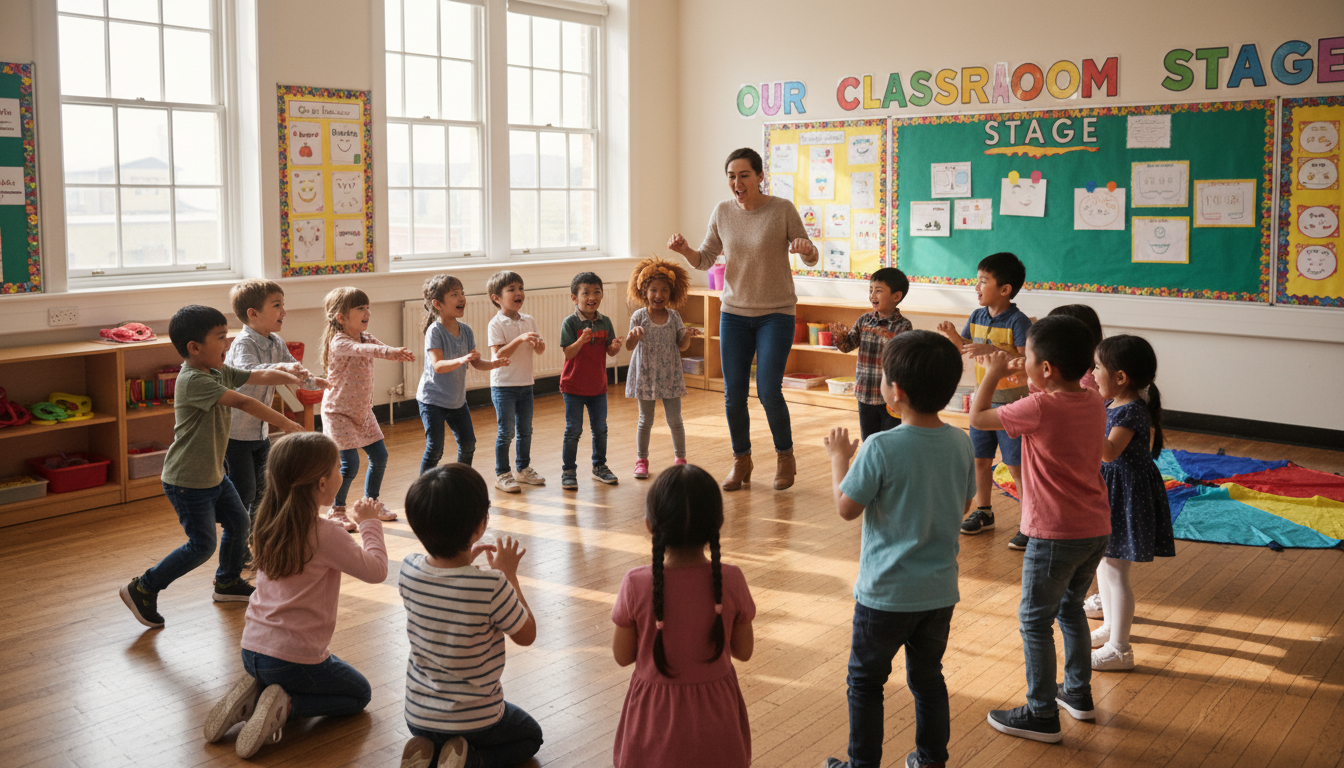
Incorporating various forms of theatre, such as puppetry or musical theatre, can also cater to different interests and talents within the group. This variety ensures that every participant finds something they enjoy and can excel at, boosting their confidence and enthusiasm.
Utilizing Technology
In today's digital age, integrating technology into theatre workshops can enhance engagement. Consider using video recordings to allow participants to watch and analyze their performances. This not only helps in self-assessment but also adds a modern twist to the traditional theatre experience.
Additionally, social media platforms can be used to share performances or behind-the-scenes glimpses of the workshop. This can increase visibility and excitement, encouraging more youth to participate in future sessions.

Providing Constructive Feedback
Feedback is a crucial component of growth in theatre workshops. Ensure that feedback is constructive and encourages improvement. Focus on specific aspects of performance and offer actionable suggestions. This helps participants understand their strengths and areas for development without feeling discouraged.
Encourage peer feedback as well, allowing participants to learn from each other. This not only builds a supportive community but also enhances critical thinking and observation skills.
Celebrating Achievements
Finally, it's essential to celebrate the achievements of young participants. Organize showcases or performances at the end of the workshop series to give participants the opportunity to display their talents. This not only boosts their confidence but also provides a tangible goal to work towards.
Recognize individual and group accomplishments with certificates or awards to motivate continued participation and growth in theatre.