Building Positive Connections: The Impact of Supportive Performing Arts Programs


The Role of Performing Arts in Community Building
The performing arts have long served as a beacon for community engagement and personal development. These programs offer more than just entertainment; they are a means of fostering positive connections among participants. By engaging in theater, dance, or music, individuals can enhance their social skills, boost their confidence, and build lasting relationships.

In many communities, supportive performing arts programs are creating safe spaces where people of all ages can express themselves. These environments encourage collaboration, creativity, and mutual respect, which are essential for building a cohesive community. Participants are given the opportunity to explore their talents while forming meaningful connections with others who share their passion.
Enhancing Social Skills Through Collaboration
Performing arts programs often require collaboration and teamwork, essential skills that participants can carry into other areas of their lives. Whether it's a group rehearsal or a live performance, individuals learn to communicate effectively, share ideas, and work towards a common goal. This experience is invaluable in helping people develop empathy and understanding for diverse perspectives.
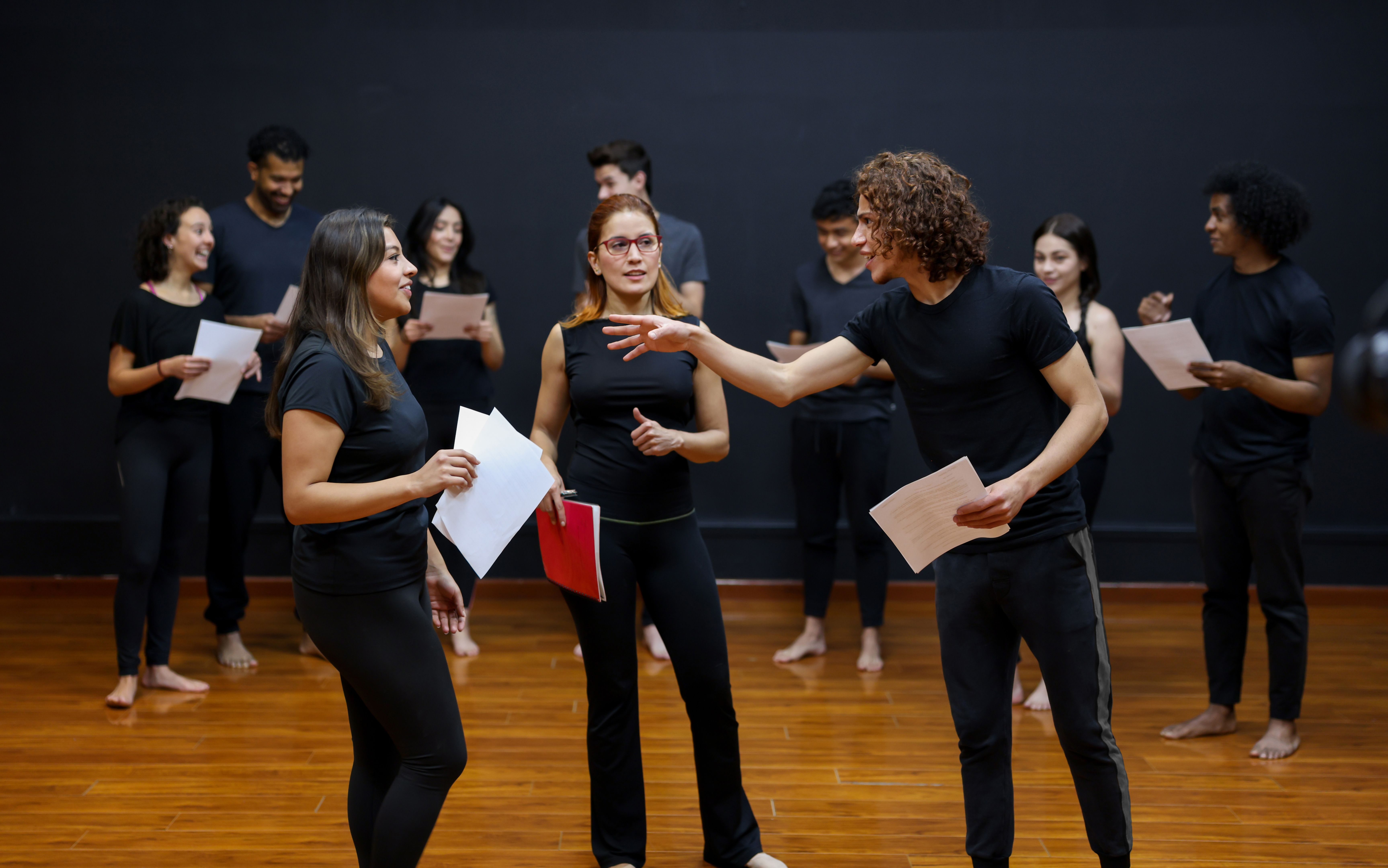
Moreover, these programs provide a platform for participants to challenge themselves and step outside their comfort zones. As they grow more confident in their abilities, they also become more open to forming new friendships and networks, which can have a lasting impact on their personal and professional lives.
The Psychological Benefits of Participation
In addition to social benefits, engaging in performing arts has been shown to improve mental health. The creative process allows individuals to express their emotions, reducing stress and anxiety. Participants often report feeling a sense of accomplishment and increased self-esteem as they master new skills and perform in front of an audience.

The supportive environment of these programs ensures that individuals feel valued and understood, which can significantly boost their mental well-being. As they navigate the challenges of performance, they learn resilience and adaptability, traits that can enhance their everyday lives.
Broadening Horizons and Cultural Awareness
Supportive performing arts programs also play a critical role in promoting cultural awareness and appreciation. By participating in diverse productions, individuals are exposed to different cultures, traditions, and stories. This exposure encourages inclusivity and helps break down barriers of misunderstanding and prejudice.
In a world that is increasingly interconnected, the ability to appreciate and understand different cultures is more important than ever. Performing arts programs serve as a bridge, connecting people from various backgrounds through shared experiences and storytelling.
Conclusion: The Lasting Impact of Arts Programs
In conclusion, supportive performing arts programs offer invaluable benefits that extend beyond the stage. They nurture personal growth, enhance social skills, and contribute to mental well-being, all while fostering a sense of community and cultural appreciation. By participating in these programs, individuals not only improve their own lives but also contribute to the vibrancy and cohesion of their communities.